
November 15, 2026 · 我的商店 Admin
Water based lube FAQs
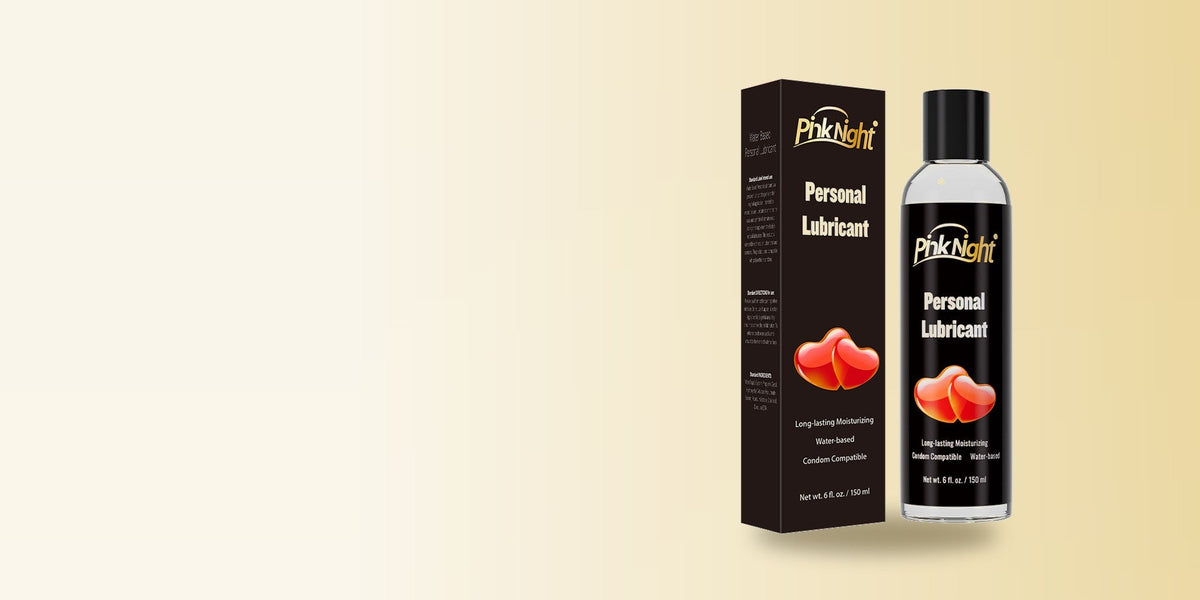
1. What is water based lube?
Water based lube is a personal lubricant made mostly of water, thickened into a smooth gel. Because it contains no oils or silicones, it is compatible with latex condoms and all sex toy materials, rinses off skin and sheets with plain water, and is the most widely recommended type for everyday use.
2. What is water based lube used for?
Water based lube reduces friction during sex, masturbation, and toy use, and it helps relieve everyday vaginal dryness. It is the go-to choice for use with condoms and silicone toys, because unlike oil-based or silicone-based products, it never degrades latex or toy surfaces.
3. Is water based lube safe?
Yes — water based lube is considered the safest all-purpose lubricant type, provided the formula is gentle. Look for a water based lube that is pH-balanced for the vagina (pH 3.8–4.5), low in osmolality (under 380 mOsm/kg), and free of added fragrance. Cheap formulas loaded with glycerin, propylene glycol, and scent are the ones most often linked to irritation.
4. Water based lube vs. silicone based lube: what's the difference?
Water based lube is water-soluble: it is condom-safe, safe with every toy material including silicone toys, and washes off with water — but it can dry out and may need re-applying or re-activating. Silicone based lube lasts longer and works in water, but it can damage silicone toys, stains fabric more easily, and needs soap to remove.
5. Can you use water based lube with condoms?
Yes. Water based lube is fully compatible with latex and polyisoprene condoms and will not weaken them. Oil-based products are the ones that damage latex — water based lube is the type condom manufacturers themselves recommend.
6. Can you use water based lube with sex toys?
Yes — water based lube is safe with all toy materials, including silicone, glass, stainless steel, and ABS plastic. It is the only lubricant type that is universally toy-safe: silicone based lube can permanently damage silicone toys, while water based lube simply rinses off both skin and toys with warm water.
7. Does water based lube dry out?
Most water based lubes do dry out over time, because the water evaporates and absorbs into skin — that is the category's best-known drawback. A water based lube formulated with hyaluronic acid holds moisture far longer, and any water based lube can be re-activated with a few drops of water instead of adding more product.
8. Does water based lube get sticky?
Lower-quality water based lube often turns sticky or tacky as it dries — the stickiness is actually the drying process, as water leaves and only thickener remains. A well-formulated water based lube stays smooth as it wears and rinses clean, leaving no tacky residue on skin or sheets.
9. Why does some water based lube burn or irritate?
Burning usually comes from osmolality, not from the water base itself. Many water based lubes are hyperosmolar — far more concentrated than body tissue (often 1,000+ mOsm/kg) — so they pull water out of delicate cells, causing stinging and dryness. Fragrance, parabens, and high glycerin content are the other common triggers.
10. What pH should a water based lube be?
A water based lube for vaginal use should match the healthy vaginal range: pH 3.8–4.5. Many mainstream lubes sit at pH 5–7, which can temporarily raise vaginal pH and disturb its natural balance with repeated use. Check the label — a brand that prints its pH value is showing its work.
11. What is osmolality in water based lube, and why does it matter?
Osmolality measures how concentrated a lubricant is compared with your body's own fluids (about 285 mOsm/kg). The World Health Organization recommends lubricants at or below 380 mOsm/kg. A water based lube in that range is "iso-osmotic" — it neither pulls water from tissue nor floods it, which is why it doesn't burn. Almost no mainstream brand prints this number; we do.
12. Is water based lube good for sensitive skin?
Water based lube is usually the best choice for sensitive skin, as long as the formula is right: fragrance-free, low osmolality (≤380 mOsm/kg), pH-balanced (3.8–4.5), and made without common irritants like parabens or chlorhexidine. If other lubes have burned or itched, the formula — not the water base — was almost certainly the problem.
13. Is water based lube good for dryness and menopause?
Yes. Water based lube is the standard recommendation for menopause-related dryness because it adds slip without hormones, is safe for daily use, and won't damage condoms or toys. A hyaluronic-acid water based lube is especially suited to dryness, since hyaluronic acid is a humectant the body uses naturally to hold moisture in tissue.
14. Does water based lube stain sheets? How do you clean it up?
No — water based lube is water-soluble, so it rinses out of sheets and clothing in a normal wash and wipes off skin with warm water, no soap needed. This is one of its biggest practical advantages over silicone and oil-based lubricants, which can leave permanent fabric stains.
15. How much water based lube should you use?
Start with a pea-to-quarter-sized amount (about 2–5 ml) and add more as needed — you can always add, and a few drops of water will revive what's already there. If you find yourself re-applying constantly, that's a formula problem, not a quantity problem: a longer-lasting water based lube should need one top-up at most.